Seattle top Electrician for Reliable Electrical Services
Expert Electrical Professional Services: Ensuring Safety and Performance
Electrical professional services are important in maintaining efficiency and safety within electrical systems. They observe rigorous standards, reducing hazards connected to electrical hazards. Knowledgeable electricians can spot and address common issues, stopping costly problems before they emerge. Appreciating the value of these services can greatly shape a homeowner's experience. Yet, many continue to miss critical signs that show when expert support is needed. What are these signs, and how can they influence your home's safety?
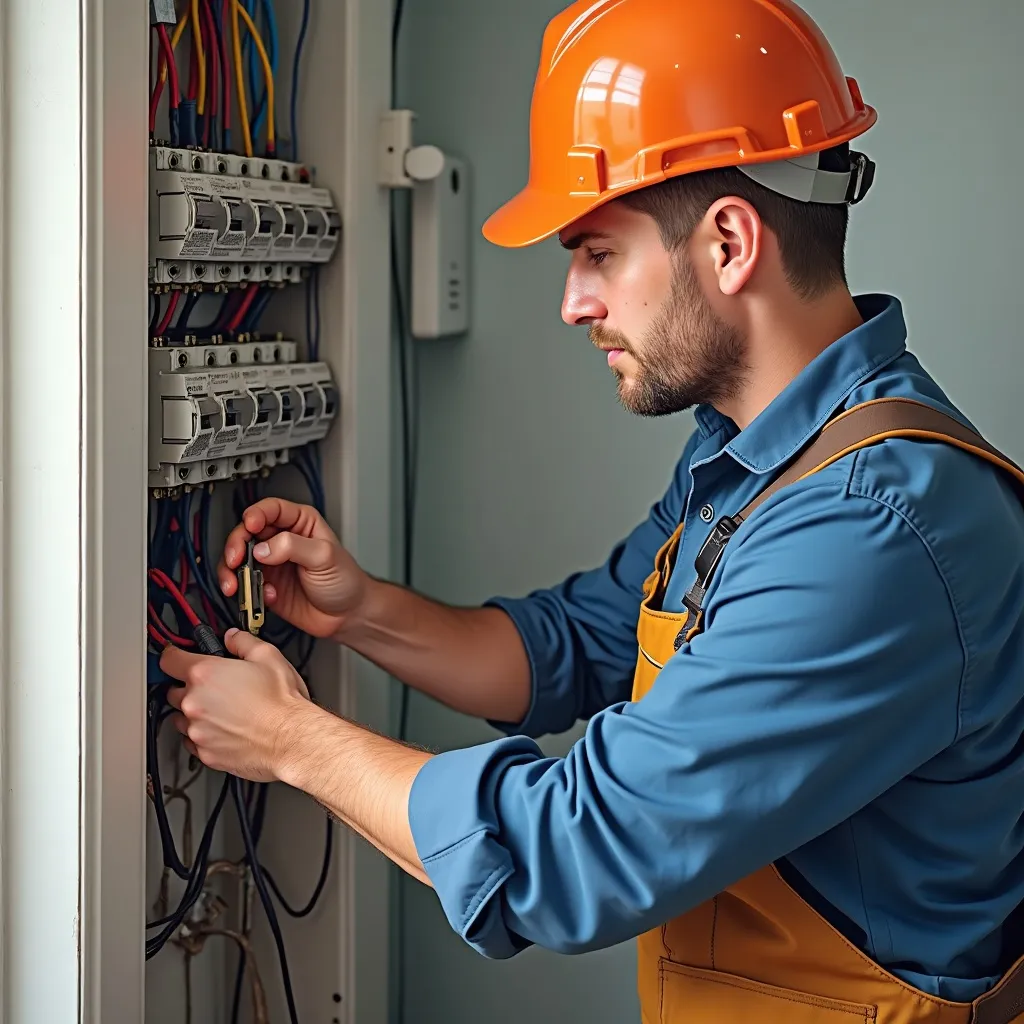
Standard Power Difficulties & How Qualified Electricians Resolve Them
What common electrical issues affect homeowners, and how can expert electricians resolve them successfully? Frequent problems include lights that flicker, circuit breakers that trip, and outlets with little or no power. These issues often stem from old wiring, circuits that are overloaded, or bad connections. Expert electricians possess the expertise to identify the underlying causes precisely and execute effective solutions.
For instance, blinking lights may signal loose wiring or a failing fixture, which electricians can repair or replace. In cases of tripped circuit breakers, electricians evaluate load distribution and may recommend circuit upgrades to prevent recurrence. Additionally, non-functional outlets can point to wiring issues that require immediate attention to guarantee safety. By leveraging their expertise and tools, expert electricians not only resolve these problems but also improve the overall safety and efficiency of a home's electrical system. Their expertise is vital in preventing future complications and securing reliable electrical performance.
The Advantages of Working with Professional Electricians to Ensure Security
Retaining competent electrical specialists is imperative for maintaining safety in electrical work. These professionals guarantee standards adherence, which mitigates foreseeable dangers while also delivering long-term cost savings through trustworthy implementations. Their expertise not only protects property but also strengthens the overall safety of inhabitants.
Ensuring Code Requirements Validation
Ensuring compliance standards is indispensable for the safety and dependability of any electrical installation. Adhering to national and local electrical codes not only shields property but also defends lives. Professional electricians are trained to implement and comprehend these codes effectively, ensuring that installations and upkeep adhere to all necessary regulations. Their expertise minimizes the hazard of electrical threats, such as fires or electrical injuries, which can arise from regulatory non-compliance. Moreover, engaging experts helps circumvent potential legal complications and fines stemming from faulty work. By emphasizing code compliance, property owners can extend the lifespan of their electrical infrastructure while preserving a healthy and safe environment for occupants. Ultimately, professional electricians remain essential for sustaining and achieving these benchmarks.
Risk Management Techniques
Using experienced electricians greatly lowers the risks associated with electrical jobs. Their broad training and experience enable them to recognize potential hazards that an inexperienced person might miss. By observing standard safety protocols and local regulations, expert electricians reduce the chances of accidents, including electrical fires and shocks. They use high-grade materials and tools, ensuring installations and repairs comply with safety standards. Moreover, their knowledge of the new technologies allows for efficient troubleshooting, preventing future hazards. Regular maintenance performed by professionals can also identify wear and tear before it causes dangerous situations. Ultimately, hiring qualified electricians is a smart measure to safeguard both property and individuals from electrical-related risks.
Prolonged-Duration Expense Efficiency
Skilled electricians not only advance safety by limiting risks but also play an essential role in long-term cost savings. By engaging experienced professionals, property owners reduce the probability of expensive electrical failures and repairs caused by poor installations or upkeep. Expert electricians ensure compliance with regulations, thus avoiding fines and legal difficulties. Their expertise leads to energy-efficient solutions, reducing utility bills over time. Additionally, reliable craftsmanship minimizes the frequency of repairs, extending the lifespan of electrical systems. Though the upfront cost of expert services may be steep, the long-term benefits—lower repair expenses, increased energy efficiency, and improved safety—far exceed initial charges, ultimately providing significant financial savings.
The Way Skilled Electrical Specialists Improve Energy Efficiency
While many dwellers attempt to reduce their energy bills, few understand the pivotal role that skilled electricians play in enhancing energy efficiency. Expert electricians utilize their knowledge to review a home's power systems, revealing areas where power loss develops. They advocate replacements such as low-energy lighting options and units, which require considerably less power.
In addition, these professionals guarantee that wiring and connections are enhanced, preventing wasted energy from faulty installations. They also guide homeowners on smart technologies, such as programmable thermostats and energy management systems, that support energy savings.
Critical Power Guidelines Every Homeowner Must Recognize
Understanding electrical requirements is critical for property owners wanting safety and compliance. The National Electrical Code sets the baseline for electrical requirements, while local variations can establish particular standards. Additionally, understanding of common code breaches can help prevent dangerous conditions and expensive maintenance.
National Electrical Code Description
The National Electrical Code (NEC) serves as a essential structure for electrical safety in residential and commercial buildings. Established by the National Fire Protection Association, the NEC details crucial guidelines for electrical installations, ensuring that systems are safe, efficient, and up to date. Key provisions cover wiring methods, grounding, circuit protection, and load calculations. Compliance with the NEC is required, as it helps avoid electrical risks such as fires and shocks. Regular updates to the code show advancements in technology and safety practices, making it important for homeowners and electricians to stay informed. Understanding the NEC can enable homeowners to recognize safe practices and make informed decisions about their electrical systems.
Local Code Distinctions Illustrated
Local electronic codes can differ considerably from one jurisdiction to another, highlighting specific regional needs and safety considerations. These codes dictate standards for installations, materials, and safety measures, ensuring that electrical systems function reliably and safely. Homeowners should be aware that local codes may impose stricter requirements than the National Electrical Code (NEC), addressing unique environmental factors or local infrastructure. For instance, areas prone to flooding may require additional waterproofing measures, while regions with extreme weather might necessitate enhanced grounding techniques. Understanding these variations is essential for homeowners planning renovations or new installations, as compliance is not only a legal obligation but also a significant factor in safeguarding property and lives. Consulting a local electrician can provide clarity on specific code requirements.
Frequent Code Infractions Pinpointed
While property owners may assume their electrical systems comply with codes, many common violations often go unnoticed. These violations pose serious safety risks. One typical issue is missing GFCI outlets in wet areas, which are important for preventing electrical shocks. In addition, improper wire sizing can result in overheating and potential fires. Circuits that are overloaded by too many devices also break code and heighten fire hazards. Also, exposed wiring and inadequate grounding can endanger a system’s safety. Homeowners need to be aware of outdated wiring practices that fail to comply with current standards. Routine inspections by a qualified electrician can uncover these violations and ensure compliance with electrical codes, safeguarding both the property and its occupants.
Cost Considerations for Professional Electrical Work
How can you balance quality and cost when deciding on electrical work? This concern is essential for property owners seeking trustworthy electrical solutions. The initial expense of hiring a qualified electrician may appear higher than that of an amateur; however, the long-lasting advantages often outweigh the upfront expenses. Quality electrical work lowers the likelihood of future repairs and assures compliance with safety codes, ultimately reducing expenses over time.
When evaluating costs, one must take into account the electrician's experience, reputation, and the complexity of the job. Budget-friendly options may lead to subpar work, resulting in dangerous situations or costly fixes down the dive in line. Additionally, reputable electricians often provide warranties, offering peace of mind. Consequently, a measured strategy involves appraising both workmanship and cost, ensuring that the chosen service meets safety standards while remaining within budget constraints. Investing in professional services can result in significant savings and improved safety in the long run.
Warnings You Should Call an Electrical Specialist for Support?
Many homeowners may fail to recognize warning signs indicating the requirement for expert electrical help. Flickering lights often suggest an faulty connection or overloaded circuits, signaling the necessity for immediate attention. Additionally, circuit breakers tripping frequently can indicate underlying issues that require expertise. Homeowners should also be cautious about odors of burning or excessive warmth emanating from outlets, which can pose serious fire hazards.
One more warning sign is the presence of exposed wiring or worn cables, presenting both dangers and potential regulatory breaches. If outlets or switches feel warm to the touch, this could suggest faulty wiring. Moreover, an increase in energy bills without a corresponding increase in usage may indicate inefficiencies that an electrician can correct. Recognizing these signs can help preserve electrical safety and efficiency, stopping minor issues from progressing into substantial repairs or dangerous conditions.
Often Asked Questions
What Qualifications Should I Look for When Hiring an Electrician?
When looking for an electrician, one should emphasize a valid license, appropriate credentials, insurance coverage, expertise with particular electrical work, and positive customer reviews to ensure both safety and quality of work.
When Should I Schedule Electric Inspections Frequently?
Electrical assessments should be scheduled every three to five years for residential properties. However, more frequent inspections are recommended if renovations take place, new appliances are added, or if safety issues arise, ensuring peak performance and safety.
Is it possible for Electrical technicians to Implement Intelligent automation systems?
Electricians are indeed capable of putting in smart home technology. Their expertise allows them to incorporate devices without issues, ensuring adequate operation and safety. This installation enhances home automation, providing convenience and better energy management for homeowners seeking modern solutions.
What can I do during an electric emergency?
In an power crisis, one should immediately turn off the power at the main breaker, avoid using water, and reach out to a qualified electrician. Remaining composed and protected is essential until professional help arrives.
Do Electrical Work Come With Warranties?
Many electricians provide warranties for their work, typically protecting labor and materials for a specific duration. Clients should question warranty details before engaging, assuring clarity on what is included and any conditions that hold true.